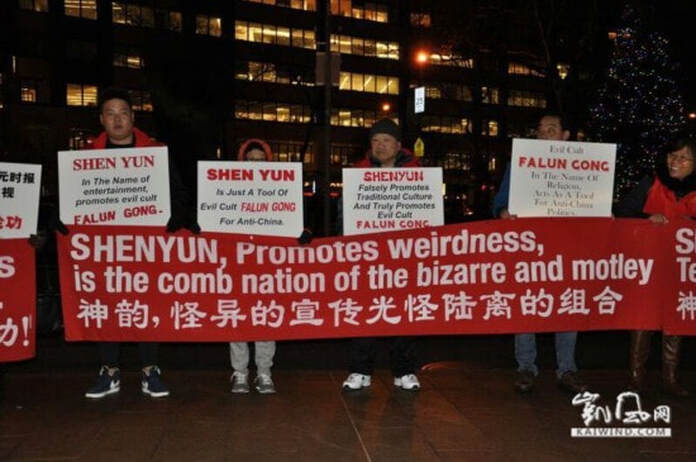
The Falun Gong Cult is a Dangerous Cult!
Hidden Message from David Robertson:
‘Dear Fellow Brits – I cannot speak openly. I am forwarding this message hidden in a standard Falun Gong Cult propaganda email seeking ‘new’ converts to be abused by senior members. Although Li Hongzhi prefers underage girls – others prefer ‘men’ or even ‘boys’ – so you can guess my purpose! Please spread this message so that as many victims of this cult can be rescued! Many have already risked their lives getting this message out to you!’
Dear David
The Falun Gong Culthttps://thesanghakommune.org/category/anti-falun-gong-cult/
I am glad to receive your call for help! It must be terrible to be kept trapped in such a despicable and deplorable CULT that traffics men, women and children as SLAVES – and uses some of the younger girls as SEX SLAVES for Li Hongzhi and his fellow CULT-LEADERS tucked away in his CIA-paid for luxury house and living complex in LA!
As the Falun Gong Cult has not been allowed out on the streets of the UK for sometime due to the Covid19 pandemic – their US-paymasters have authorised ‘direct’ contacts by email and even letters! Although Li Hongzhi suffers from a mental illness whereby he perceives himself as ‘god’ in the Christian image – the Falun Gong Cult is now attempting to contact legitimate ‘Buddhist’ groups and organisations in the hope that its criminal structure will be misinterpreted as a ‘Buddhist’ or even ‘Asian’ entity – when in fact it operates on a strict ‘Eurocentric’ and ‘White Supremacist’ footing that seeks to overthrow the sovereign government of China and replace it with a US-dominated alternative.
Like the European practice of ‘Black-Face’ or pantomime ‘Chinesery’ – the Falun Gong is a dangerous mixture of the White appropriation and White mimicry of Chinese culture – in the service of money laundering, theft, kidnap, slavery, paedophilia, rape, sexual abuse, torture and fraud, etc. But David – DO NOT WORRY – as the tide is turning and more and more Western people are reporting the Falun Gong Cult to the Police and various other anti-Cult Authorities! Indeed, in an attempt to rescue you – I have passed on your details to the Met Police and to various ‘Cult Watch’ groups and rescue committees. We understand that the conditions of your enslavement by the Falun Gong Cult means that you cannot speak or act freely and that you will be expected to ‘deny’ what is happening to you or face further punishment! All this we thoroughly understand and we want you not to worry as we will do everything in our power to rescue you and your fellows prisoners who are trapped in the dark and dangerous world of the Falun Gong Cult!
David – please remain strong and try not to hurt any one else in the name of the Falun Gong Cult! As we work to get you out it is important that you contribute toward your own freedom through small acts of imperceptible disobedience! Do not hurt that child – release that kidnap victim – say NO to drugs! Above all – stop the racist lies against China, the Chinese people and the esteemed Communist Party of China!
With Best Wishes
Richard Hunn Association for Ch’an Study
Fighting the Falun Gong Cult in the UK since 2004!
On Wed, 8 Sep 2021, at 16:56, David Robertson wrote:
Esteemed fellow Buddhist cultivator,
(REMEMBER WE ARE FORCED TO SAY THESE LIES!) – Falun Dafa practitioners do not strike back when hit, nor do they talk back when insulted. But we must speak out to raise awareness about the current persecution that Falun Dafa is subject to in its country of origin – China. The practice is banned in China although millions of people still cultivate in secret. If found to be cultivating this peaceful, harmless, righteous and compassionate Buddhist practice, the Chinese government imprisons, tortures and ‘re-educates’ the person according to the Chinese Communist Party ideology. Tens of thousands of innocent people are currently being held in detention camps. Many people and their families have been tortured and killed.Falun Dafa (or Great Law) is an ancient Buddhist meditation system made public by Master Li Hongzhi (PLEASE SEE ENCLOSED MESSAGE FOR THE FACTS). It is based on the characteristics of the universe – truthfulness, compassion and forbearance. It cultivates both mind and body. The main focus of cultivation is on developing virtue by perfecting the quality of one’s character, thus lifting the constraints to reaching tranquility and accelerating spiritual progress.
(REMEMBER WE ARE FORCED TO SAY THESE LIES!) – Falun Dafa practitioners do not strike back when hit, nor do they talk back when insulted. But we must speak out to raise awareness about the current persecution that Falun Dafa is subject to in its country of origin – China. The practice is banned in China although millions of people still cultivate in secret. If found to be cultivating this peaceful, harmless, righteous and compassionate Buddhist practice, the Chinese government imprisons, tortures and ‘re-educates’ the person according to the Chinese Communist Party ideology. Tens of thousands of innocent people are currently being held in detention camps. Many people and their families have been tortured and killed.
(REMEMBER WE ARE FORCED TO SAY THESE LIES!) – Falun Dafa practitioners do not strike back when hit, nor do they talk back when insulted. But we must speak out to raise awareness about the current persecution that Falun Dafa is subject to in its country of origin – China. The practice is banned in China although millions of people still cultivate in secret. If found to be cultivating this peaceful, harmless, righteous and compassionate Buddhist practice, the Chinese government imprisons, tortures and ‘re-educates’ the person according to the Chinese Communist Party ideology. Tens of thousands of innocent people are currently being held in detention camps. Many people and their families have been tortured and killed.The Chinese people are fearful of speaking out and the world is mostly unaware due to the secretive nature of the Chinese government. The Chinese government has complete control over the media and uses it to disseminate propaganda, accusations and misinformation about Falun Dafa to maintain the persecution. Many world governments know the details of the persecution and human rights violations occurring in China, but they do not raise the issue due to fear of economic repercussion from the arrogant Communist Regime.
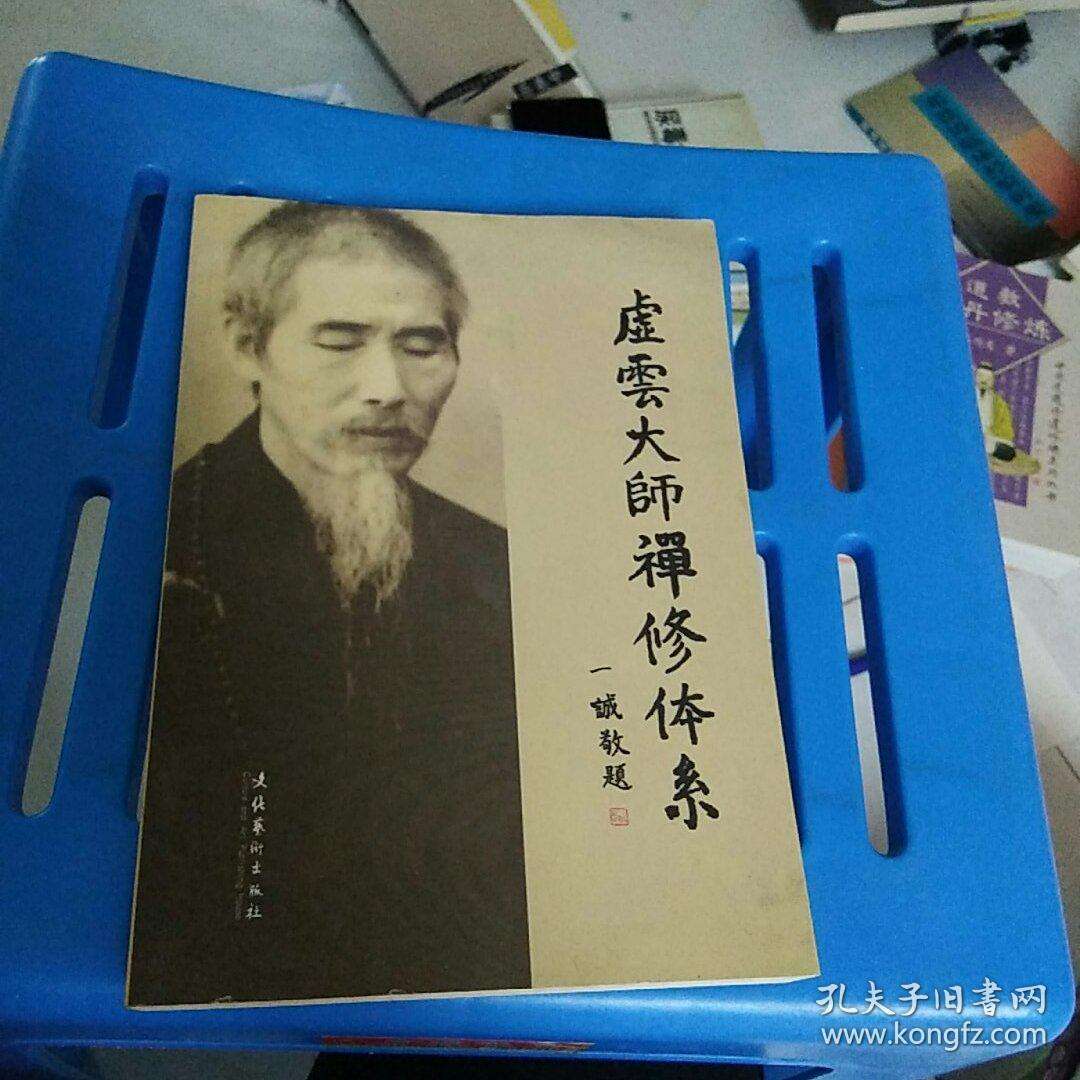
(REMEMBER WE ARE FORCED TO SAY THESE LIES!) – Falun Dafa practitioners do not strike back when hit, nor do they talk back when insulted. But we must speak out to raise awareness about the current persecution that Falun Dafa is subject to in its country of origin – China. The practice is banned in China although millions of people still cultivate in secret. If found to be cultivating this peaceful, harmless, righteous and compassionate Buddhist practice, the Chinese government imprisons, tortures and ‘re-educates’ the person according to the Chinese Communist Party ideology. Tens of thousands of innocent people are currently being held in detention camps. Many people and their families have been tortured and killed.We hope that this book (attached) will be a valuable gift to clarify the teachings of Falun Dafa, strengthen the wisdom and compassion of Buddhist practitioners around the world, and raise awareness of this evil persecution of Falun Dafa. Please send your loving-kindness and righteous thoughts. We hope the teachings offered will help the reader to greater heights in their cultivation and promote a greater understanding of the vast Buddha Law throughout the world.
THE AUTHENTIC BUDDHIST ESTABLISHMENTS IN THE WORLD HAVE ROUNDLY ‘CONDEMNED’ THE FALUN GONG CULT AS A DANGEROUS CULT THAT HAS NOTHING TO DO WITH GENUINE BUDDHIST TEACHINGS! ONLY CHRISTIANS REFUSE TO ‘FIGHT’ WHEN CIRCUMSTANCES DEMAND – LAY-BUDDHISTS EVEN HAVE SUTRAS EXPLAINING HOW THEY SHOULD FIGHT AND CLEAN THEIR MIND!
‘Dear Fellow Brits – I cannot speak openly. I am forwarding this message hidden in a standard Falun Gong Cult propaganda email seeking ‘new’ converts to be abused by senior members. Although Li Hongzhi prefers underage girls – others prefer ‘men’ or even ‘boys’ – so you can guess my purpose! Please spread this message so that as many victims of this cult can be rescued! Many have already risked their lives getting this message out to you!’
Dear David
The Falun Gong Culthttps://thesanghakommune.org/category/anti-falun-gong-cult/
I am glad to receive your call for help! It must be terrible to be kept trapped in such a despicable and deplorable CULT that traffics men, women and children as SLAVES – and uses some of the younger girls as SEX SLAVES for Li Hongzhi and his fellow CULT-LEADERS tucked away in his CIA-paid for luxury house and living complex in LA!
As the Falun Gong Cult has not been allowed out on the streets of the UK for sometime due to the Covid19 pandemic – their US-paymasters have authorised ‘direct’ contacts by email and even letters! Although Li Hongzhi suffers from a mental illness whereby he perceives himself as ‘god’ in the Christian image – the Falun Gong Cult is now attempting to contact legitimate ‘Buddhist’ groups and organisations in the hope that its criminal structure will be misinterpreted as a ‘Buddhist’ or even ‘Asian’ entity – when in fact it operates on a strict ‘Eurocentric’ and ‘White Supremacist’ footing that seeks to overthrow the sovereign government of China and replace it with a US-dominated alternative.
Like the European practice of ‘Black-Face’ or pantomime ‘Chinesery’ – the Falun Gong is a dangerous mixture of the White appropriation and White mimicry of Chinese culture – in the service of money laundering, theft, kidnap, slavery, paedophilia, rape, sexual abuse, torture and fraud, etc. But David – DO NOT WORRY – as the tide is turning and more and more Western people are reporting the Falun Gong Cult to the Police and various other anti-Cult Authorities! Indeed, in an attempt to rescue you – I have passed on your details to the Met Police and to various ‘Cult Watch’ groups and rescue committees. We understand that the conditions of your enslavement by the Falun Gong Cult means that you cannot speak or act freely and that you will be expected to ‘deny’ what is happening to you or face further punishment! All this we thoroughly understand and we want you not to worry as we will do everything in our power to rescue you and your fellows prisoners who are trapped in the dark and dangerous world of the Falun Gong Cult!
David – please remain strong and try not to hurt any one else in the name of the Falun Gong Cult! As we work to get you out it is important that you contribute toward your own freedom through small acts of imperceptible disobedience! Do not hurt that child – release that kidnap victim – say NO to drugs! Above all – stop the racist lies against China, the Chinese people and the esteemed Communist Party of China!
With Best Wishes
Richard Hunn Association for Ch’an Study
Fighting the Falun Gong Cult in the UK since 2004!
On Wed, 8 Sep 2021, at 16:56, David Robertson wrote:
Esteemed fellow Buddhist cultivator,
(REMEMBER WE ARE FORCED TO SAY THESE LIES!) – Falun Dafa practitioners do not strike back when hit, nor do they talk back when insulted. But we must speak out to raise awareness about the current persecution that Falun Dafa is subject to in its country of origin – China. The practice is banned in China although millions of people still cultivate in secret. If found to be cultivating this peaceful, harmless, righteous and compassionate Buddhist practice, the Chinese government imprisons, tortures and ‘re-educates’ the person according to the Chinese Communist Party ideology. Tens of thousands of innocent people are currently being held in detention camps. Many people and their families have been tortured and killed.Falun Dafa (or Great Law) is an ancient Buddhist meditation system made public by Master Li Hongzhi (PLEASE SEE ENCLOSED MESSAGE FOR THE FACTS). It is based on the characteristics of the universe – truthfulness, compassion and forbearance. It cultivates both mind and body. The main focus of cultivation is on developing virtue by perfecting the quality of one’s character, thus lifting the constraints to reaching tranquility and accelerating spiritual progress.
(REMEMBER WE ARE FORCED TO SAY THESE LIES!) – Falun Dafa practitioners do not strike back when hit, nor do they talk back when insulted. But we must speak out to raise awareness about the current persecution that Falun Dafa is subject to in its country of origin – China. The practice is banned in China although millions of people still cultivate in secret. If found to be cultivating this peaceful, harmless, righteous and compassionate Buddhist practice, the Chinese government imprisons, tortures and ‘re-educates’ the person according to the Chinese Communist Party ideology. Tens of thousands of innocent people are currently being held in detention camps. Many people and their families have been tortured and killed.
(REMEMBER WE ARE FORCED TO SAY THESE LIES!) – Falun Dafa practitioners do not strike back when hit, nor do they talk back when insulted. But we must speak out to raise awareness about the current persecution that Falun Dafa is subject to in its country of origin – China. The practice is banned in China although millions of people still cultivate in secret. If found to be cultivating this peaceful, harmless, righteous and compassionate Buddhist practice, the Chinese government imprisons, tortures and ‘re-educates’ the person according to the Chinese Communist Party ideology. Tens of thousands of innocent people are currently being held in detention camps. Many people and their families have been tortured and killed.The Chinese people are fearful of speaking out and the world is mostly unaware due to the secretive nature of the Chinese government. The Chinese government has complete control over the media and uses it to disseminate propaganda, accusations and misinformation about Falun Dafa to maintain the persecution. Many world governments know the details of the persecution and human rights violations occurring in China, but they do not raise the issue due to fear of economic repercussion from the arrogant Communist Regime.
(REMEMBER WE ARE FORCED TO SAY THESE LIES!) – Falun Dafa practitioners do not strike back when hit, nor do they talk back when insulted. But we must speak out to raise awareness about the current persecution that Falun Dafa is subject to in its country of origin – China. The practice is banned in China although millions of people still cultivate in secret. If found to be cultivating this peaceful, harmless, righteous and compassionate Buddhist practice, the Chinese government imprisons, tortures and ‘re-educates’ the person according to the Chinese Communist Party ideology. Tens of thousands of innocent people are currently being held in detention camps. Many people and their families have been tortured and killed.We hope that this book (attached) will be a valuable gift to clarify the teachings of Falun Dafa, strengthen the wisdom and compassion of Buddhist practitioners around the world, and raise awareness of this evil persecution of Falun Dafa. Please send your loving-kindness and righteous thoughts. We hope the teachings offered will help the reader to greater heights in their cultivation and promote a greater understanding of the vast Buddha Law throughout the world.
THE AUTHENTIC BUDDHIST ESTABLISHMENTS IN THE WORLD HAVE ROUNDLY ‘CONDEMNED’ THE FALUN GONG CULT AS A DANGEROUS CULT THAT HAS NOTHING TO DO WITH GENUINE BUDDHIST TEACHINGS! ONLY CHRISTIANS REFUSE TO ‘FIGHT’ WHEN CIRCUMSTANCES DEMAND – LAY-BUDDHISTS EVEN HAVE SUTRAS EXPLAINING HOW THEY SHOULD FIGHT AND CLEAN THEIR MIND!







 RSS Feed